Alpe d’Huez is set to undergo a major infrastructure transformation. The “Altitude 3300” project, spanning three years, represents one of the largest investments ever made in a French ski resort. This modernization raises interesting questions about the evolution of Alpine ski areas and warrants in-depth analysis.
The Altitude 3300 Project: An Overview
The Scope of the Transformation
The Altitude 3300 project calls for the replacement of five main ski lifts with modern gondola lifts. This modernization aims to efficiently connect the various resorts in the ski area: Alpe d’Huez, Auris-en-Oisans, Oz 3300, Vaujany, and Villard-Reculas.
The stated goal is twofold: to improve the comfort of visitors and to optimize traffic flow across a ski area that spans 250 kilometers of trails. This comprehensive approach reflects an interesting strategic vision for the future of mid-mountain resorts.
A Phased Schedule
2025: The Foundations
- New cabins for the Pic Blanc cable car (already in operation)
- Replacement of the Villarais chairlift with a 10-person gondola
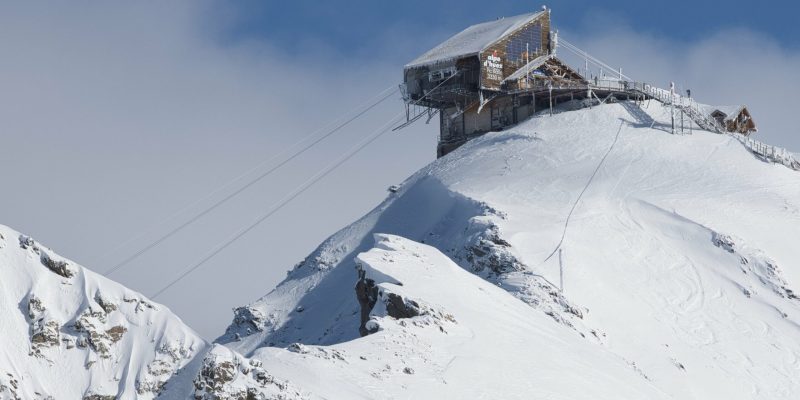
- Renovation of Station 4 of the Pic Blanc gondola at 2,700 meters
2026: The Expansion
- Installation of the New Sarenne Gondola
- Renovation of the Pic Blanc cable car station at 3,300 meters
- Replacement of the Lièvre Blanc chairlift with a 10-person gondola
2027: The Completion
- Completion of the Entire Modernized Network
- Full commissioning of the new interconnected system
Analysis of Strategic Issues
Competitive Positioning
This modernization is taking place against a backdrop of intense competition among Alpine resorts. Les Trois Vallées, Paradiski, and Espace Killy are investing heavily in their infrastructure. Alpe d’Huez, with its 300 days of sunshine per year, is counting on this project to maintain its appeal.
The investment seems consistent with the need to provide a modern user experience. Gondolas undeniably offer greater comfort than chairlifts, which is particularly appreciated in inclement weather.
Impact on Accessibility
The emphasis on accessibility is a particularly interesting aspect of the project. Making the facility accessible to people with limited mobility and improving access for families are in line with current societal trends.
This inclusive approach could serve as a model for other resorts seeking to expand their customer base. The inclusion of services such as online booking demonstrates a commitment to adapting to contemporary digital habits.
Technical and Logistical Challenges
Mountain Construction Management
Carrying out projects of this scale at high altitudes presents considerable challenges. Coordinating the various construction sites, managing supplies, and complying with environmental restrictions require specialized technical expertise.
The decision to concentrate major construction work during the summer months helps minimize the impact on winter operations. This pragmatic approach is worth highlighting.
Technological Innovation
The new facilities incorporate state-of-the-art cable transport technologies. The 10-passenger gondolas, equipped with automatic disengagement systems, represent the very best currently available in the field, according to experts at POMA, the world leader in ski lifts.
The integration of digital reservation systems and real-time traffic management systems ranks Alpe d’Huez among the most technologically advanced resorts.
Economic and Social Impacts
Impact on the Local Economic Model
The substantial investment required for this project will inevitably have an impact on the fare structure. Striking a balance between modernization and affordability is a key challenge in maintaining a diverse customer base.
The SATA model, in which local stakeholders are involved in the development of ski lifts, has the advantage of maintaining local control over strategic decisions.
To learn more about the history of this unique resort, check out our article on the historical development of Alpe d’Huez.
Trends in Local Employment
These projects generate significant economic activity while they are underway. Ultimately, the new facilities will likely require fewer operating personnel, but those who remain will need higher qualifications.
This development is part of the broader trend toward modernizing mountain-related professions, which requires local training programs to adapt.
Environmental Perspective
Ecological Footprint
Replacing older facilities with more efficient equipment should reduce overall energy consumption. New gondola systems generally consume less energy per passenger than older systems.
Reducing the number of towers (200 planned to be removed) helps limit the visual impact on the landscape, which is a significant consideration in a sensitive mountainous environment.
Adaptation to Climate Change
Improvements to the artificial snowmaking system are a logical part of this modernization effort. Against the backdrop of global warming, this technical adaptation has become critical to the long-term viability of the industry.
The resort’s south-facing orientation, an undeniable advantage in terms of sunlight, presents specific challenges regarding snow retention that these investments aim to address.
Comparison with Other Alpine Projects
International Benchmarking
This type of large-scale modernization is not unique to the Alps. Resorts such as Verbier, Zermatt, and the Austrian ski areas are undertaking similar projects. Alpe d’Huez is part of this international trend of racing toward modernization.
What sets France apart is often its more collective approach to financing and governance, as exemplified by the SATA model. To understand the challenges facing the sector, see the analyses by Domaines Skiables de France.
Industry Trends
The ski lift industry is evolving toward greater comfort, efficiency, and environmental sustainability. The Alpe d’Huez project is staying ahead of these trends by investing in state-of-the-art equipment.
Be sure to check out our detailed analysis of the new developments at Alpe d’Huez for 2025–2027 for additional insight.
Future Challenges and Opportunities
Identified Risks
The project’s success will depend largely on the ability to maintain operations during construction and to keep costs under control. Customer acceptance of any rate increases is also a crucial factor.
Changes in tourism practices, driven by environmental concerns, could affect future visitor numbers at ski resorts.
Development Opportunities
This modernization opens up exciting opportunities for expanding summer activities. The new gondolas make it easier for hikers and cyclists to access the area, potentially diversifying revenue streams.
Future Outlook
Alpe d’Huez in 2027
By 2027, Alpe d’Huez will have a fully modernized ski lift system. This transformation is expected to reestablish the resort as a leading destination in the Alps in terms of comfort and accessibility.
The successful integration of this new equipment will largely determine the destination’s future appeal.
Industrial Model
This project could serve as a model for other stations facing the same modernization challenges. The comprehensive, phased approach offers some interesting methodological insights.
Conclusion: A Bet on the Future
The Altitude 3300 project represents a significant investment in the future of Alpe d’Huez. This ambitious modernization reflects the resort’s commitment to remaining competitive in a changing market.
The success of this transformation will depend on many factors: the quality of execution, customer acceptance, and developments in the tourism market. Nevertheless, the methodical approach and the scope of the project suggest a solid strategic vision.
For industry observers, Alpe d’Huez will serve as an interesting case study on the modernization of French mid-mountain resorts. The results of this transformation will inform the strategic decisions of other Alpine destinations facing the same challenges.
The development of Alpe d’Huez over the next three years therefore warrants close attention, both for its technical innovations and for its impact on the evolution of the French ski industry.
Useful links:
- Official Website of Alpe d’Huez
- Information about the Altitude 3300 Project
- SATA – Ski Lift Company
- Oisans Tourist Office